Can collaborative housing help shape socially innovative, affordable, and decommodified housing futures? In March 2026, researchers, housing movements, and policymakers gathered in Bogotá for Vivienda Colaborativa en Colombia: Mitos, Leyendas y Sueños, an event that questioned dominant housing paradigms, showcased existing collaborative housing experiences, and explored future pathways for housing innovation in Colombia.
Questioning Conventional Housing Models
As housing affordability becomes a pressing global challenge, debates on alternative housing models are gaining momentum. In Colombia, collaborative housing has recently re-emerged as a topic of public debate, driven by the need to seek alternatives to conventional housing policies centred on individual homeownership and private-sector delivery.


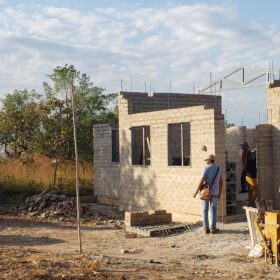
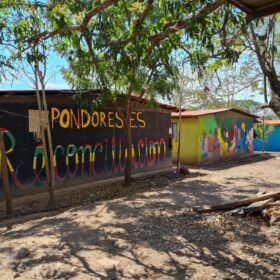
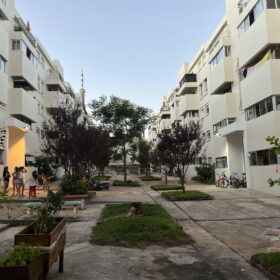
Against this backdrop, this international event, organised within the SNSF-funded project Negotiating Space for Housing Cooperatives in Latin America: The Case of Colombia and El Salvador, a collaboration between the ETH Wohnforum and the Universidad Nacional de Colombia, brought together participants from Latin America and Europe to reflect on collaborative housing. It combined an international conference, a public exhibition, and a Policy Lab, organised around three themes. Myths questioned dominant assumptions shaping housing policy, including the equation of housing with individual homeownership, wealth accumulation, and financial investment. Legends presented collaborative housing experiences from Switzerland, Uruguay, El Salvador, Catalonia, and Colombia, highlighting how collective and non-speculative housing models have emerged and endured under different conditions. Dreams explored future pathways for advancing collaborative housing in Colombia through pilot projects.


Building the Conditions for Collaborative Housing
The conference brought together Latin American and European housing scholars, cooperative federations, NGOs, and community organisations. Representatives from FUCVAM (Uruguay), FESCOVAM and FUNDASAL (El Salvador), Sostre Cívic (Catalonia), and Colombian housing initiatives shared experiences of developing and sustaining collaborative housing while discussing the institutional conditions required for their long-term success. Running alongside the conference, the exhibition visualised the findings of three doctoral dissertations, exploring the emergence, diversity, and future potential of collaborative housing. Concluding, the Policy Lab focused on three key enabling conditions for the emergence and sustainability of collaborative housing: access to land, finance, and technical assistance. Discussions generated recommendations later compiled into a policy brief, outlining potential pathways for pilot projects, collective tenure arrangements, and institutional support for collaborative housing in Colombia.

This event showcased how policy-oriented research can move beyond academic debate to foster institutional learning, strengthen collaborative networks, and support the development of more diverse, affordable, and decommodified housing futures.

Daniela Sanjinés is a researcher and lecturer at the ETH Wohnforum and is currently pursuing a PhD within the framework of the SNSF funded project titled «Negotiating space for housing cooperatives in Latin America. The case of post-conflict Colombia and El Salvador».