
During the last year, members of the Chair of Architecture and Urban Transformation (also known as NEWROPE) have documented and systematised the chair’s teaching experiments – to set examples and to invite others to explore and perform „Working on Transformation“ themselves. The examples revolve around pedagogical experiments, with the aim to expand the practice of architecture – to transform the scripts and re-imagine the spaces that shape our reality.
Between Education and Practice – Different Dimensions of Pedagogy
Working On Transformation means engaging in exploration, navigating friction, and sharing collective moments of learning. As a companion for that investigation, a book with the same title is now available. It offers approaches, attitudes, and possible actions, inviting the reader to imagine and implement alternative scripts, and to connect with people and environments in ways that open up space for change. The book grew out of lived experiences – student projects, research initiatives, travels, and encounters that took place over the past six years. It is organized around four verbs, each representing a learning strategy and an approach to expand the boundaries of architecture and urban transformation. Being part of an architecture department, and at the same time with all team members anchored in practice themselves, NEWROPE sees pedagogy twofold: on the one hand as a space for experimentation within the school and on the other hand as an integral part of professional practice. Therefore, each verb features twice: to recount and reflect on concrete experiences, and to re-enact those same experiences as a model for practice. Rather than providing a step-by-step manual, the publication offers the four verbs as prompts. They become an open framework – meant for students and practitioners to appropriate, to experiment with, and to expand upon.


The four verbs introduce different approaches to engage with processes of urban transformation:
- To Project: understanding and reinterpreting reality
- To Experience: being fully present with all senses
- To Sequence: fostering relationships and building trust
- To Activate: designing through moments and sparks
Situating Experimentation
The last part of the book features a conversation between Giovanna Borasi – curator and editor of The Other Architect, and Director and Chief Curator of the CCA – and members of the NEWROPE team. The conversation is centred around the question of how NEWROPE relates to other practices – both historically and within today’s expanding field of Urban Design and Architecture. In this regard, a key point of reference for the Chair has been the exhibition and publication project, The Other Architect (2015). By exploring how architects have diversified and redefined their roles since the 1960s, the book compiles spatial practices that demonstrate ‘that architecture can do more than resolve a given set of problems: it can establish what requires attention today.’
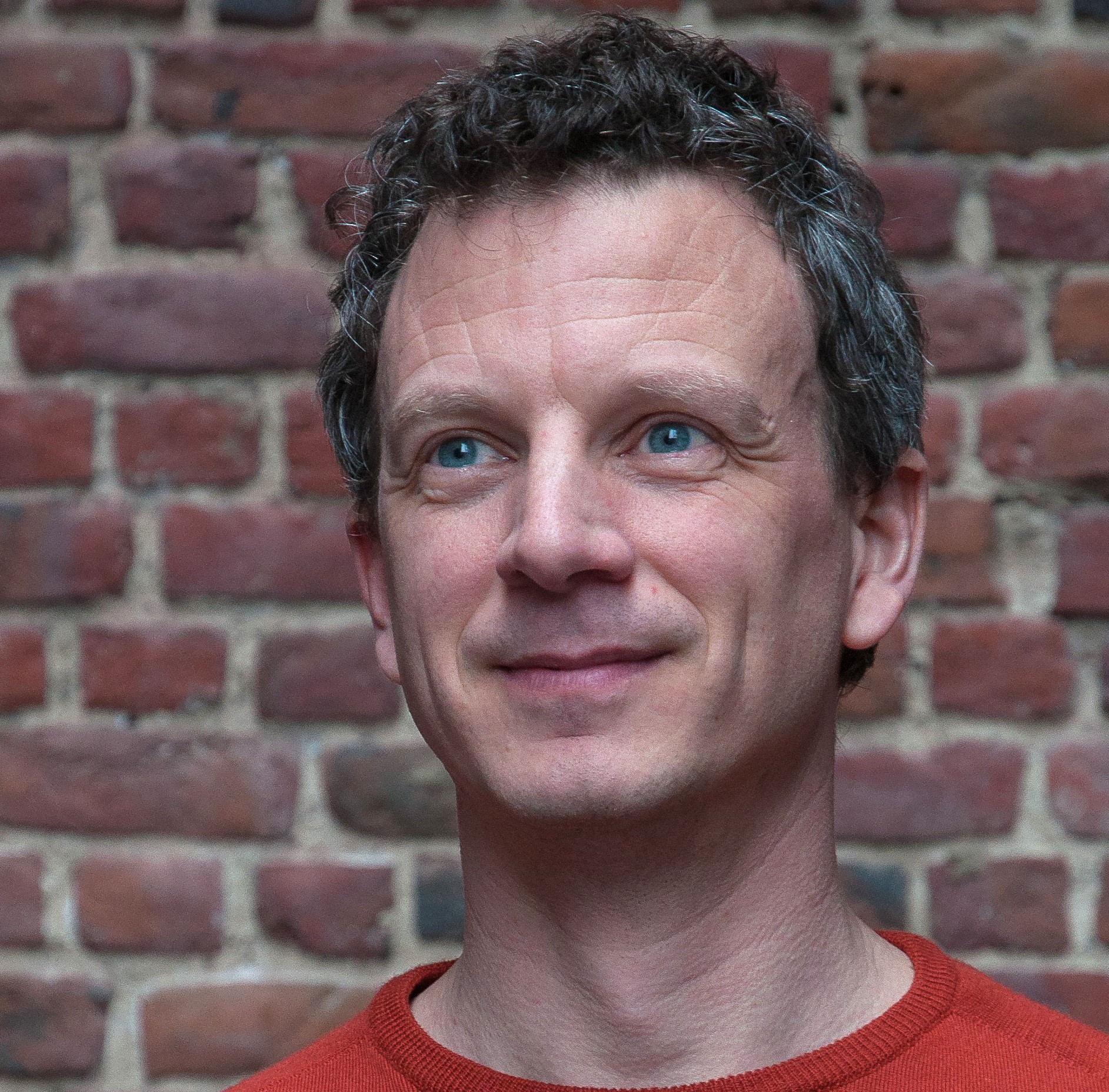 Freek Persyn, born in 1974, lives and works between Brussels and Zurich. He is married to Sotiria Kornaropoulou and is a father of 3 children. Since 2019 he holds the NEWROPE professorship for Architecture and Urban Transformation at ETH Zurich. In 1998, he co-founded the office 51N4E focusing on urban and social transformation. 51N4E works on a wide range of scales, from strategy to realization, and designs the built environment with an affinity for both the physical and the invisible dimensions of space. 51N4E is known for adaptive reuse projects in Central Europe and its engagement with Albania.
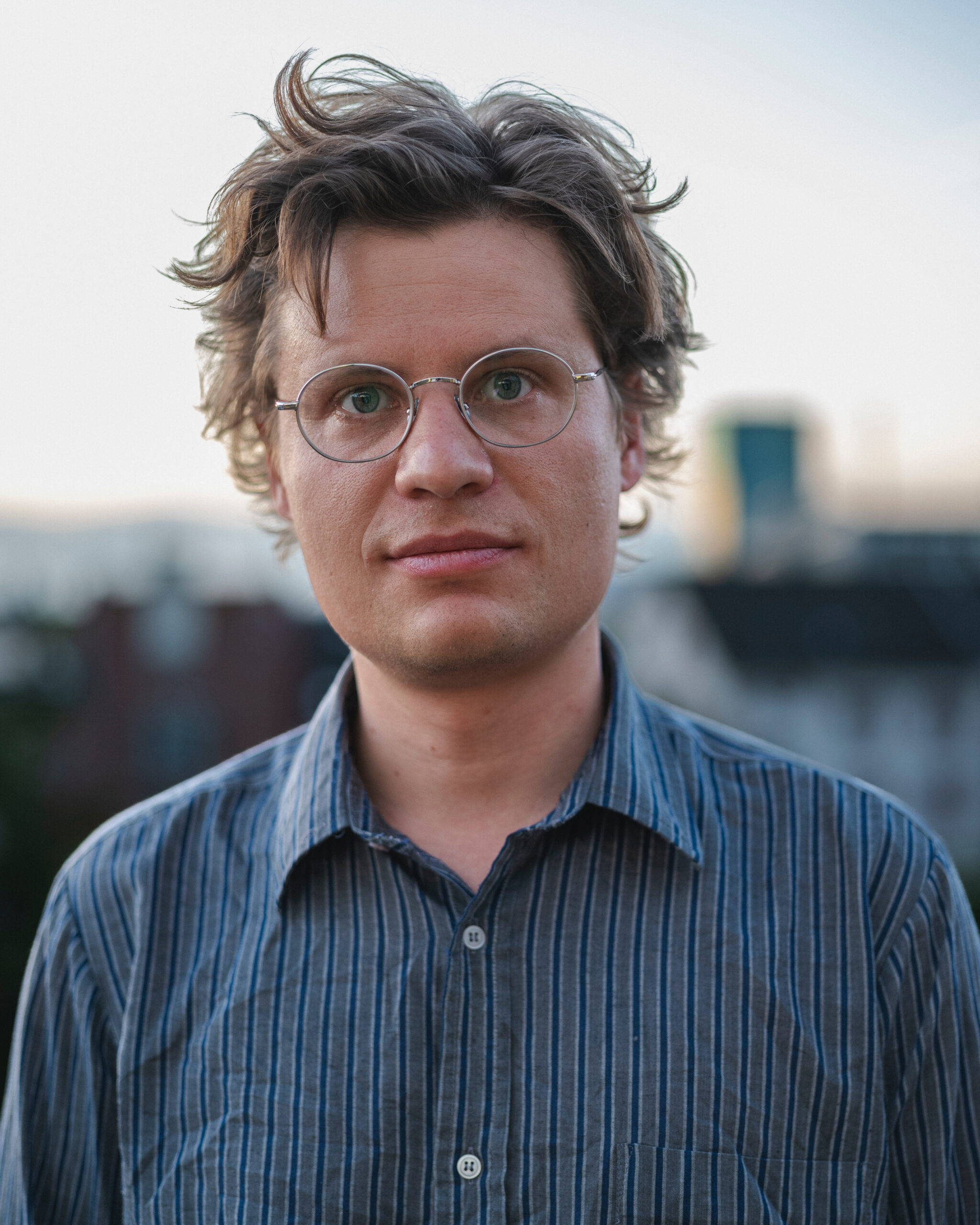 Lukas Fink, born in 1989, is a scientific collaborator at the NEWROPE Chair for Architecture and Urban Transformation since 2019, currently he holds a teaching assignment for the course Perspectives on Landscape and Urban Transformation. Alongside his academic work he is founding member of Architekturgenossenschaft C/O and the architectural collective ANA where he works on refurbishment projects, publications, and on-site actions. Lukas has published in various scientific magazines, such as archithese or gta papers, on urban issues and pedagogical methodologies and co-authored several books, including Offenbach Kaleidoskop – Geschichten eines Hauses (Spector Books, 2022).
 Charlotte Schaeben studied architecture at ETH Zürich and UPC Barcelona. She joined the NEWROPE Chair in 2019, where she co-authored the book Design in Dialogue (Ruby Press, 2021), organized Design Studios and Seminar Weeks, and currently teaches the Bachelor course Perspectives on Landscape and Urban Transformation. Her work on architecture pedagogies and design practices has been published in magazines such as gta papers, Archithese, ARCH+, and Cartha Magazine. Alongside academia, she is a member of ANA, an architectural collective, with a focus on refurbishment, publication, and community projects. Charlotte is also the co-founder of the ‚Initiative Perspektive Europaviertel‘ and is involved in various local associations dedicated to participatory planning and cultural engagement.
Lesen Sie auch
